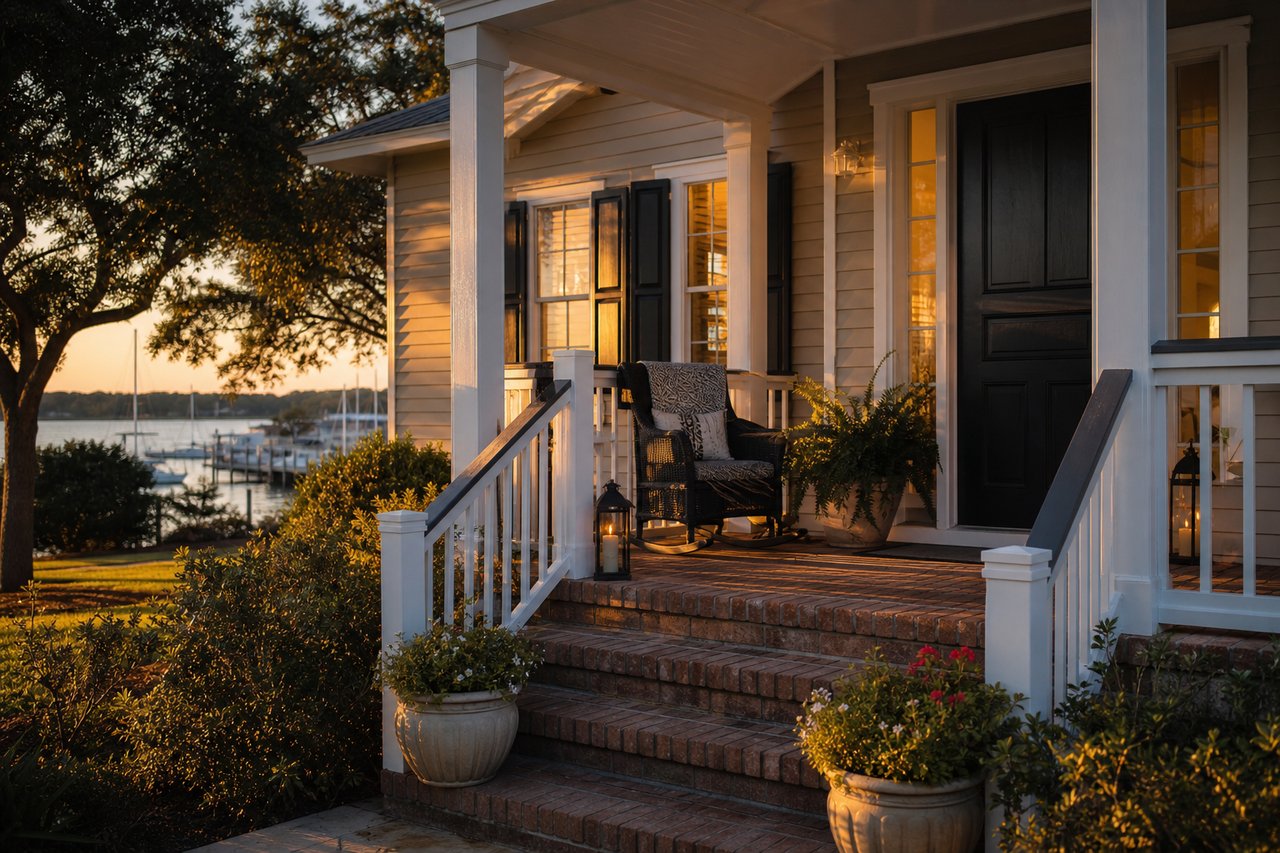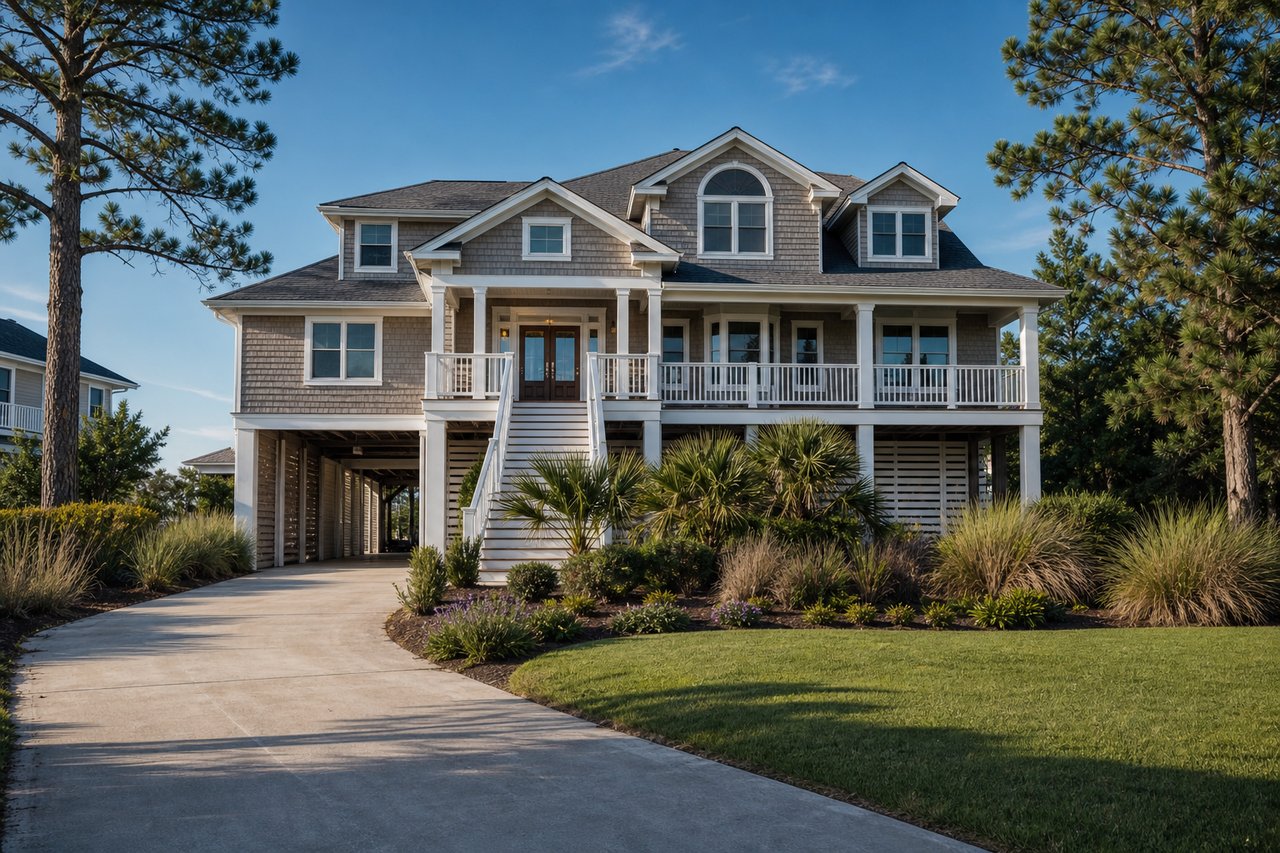
Ready to make an offer on a coastal home in Carteret County without overpaying or getting surprised later? That can feel tricky when one property has a marsh view, another has beach access, and a third looks similar online but comes with very different flood or permitting questions. The good news is that a strong offer here is not just about price. It is about knowing what matters in this market and using that knowledge to write clean, confident terms. Let’s dive in.
Understand Carteret County market pace
Carteret County is active, but it is not a market where you need to rush into every listing. As of June 2026, Realtor.com reported about 1,327 active listings, a median listing price of $575,000, a median sold price of $507,450, and a median 67 days on market. On average, homes were selling about 2.99% below asking.
That tells you something important as a buyer. You may have room to negotiate, but you still need to act quickly when a well-priced coastal property hits the market. Sellers have options, especially for homes with views, water access, or a location that matches how buyers want to use the property.
Know coastal prices vary widely
A countywide median can only tell you so much. In Carteret County, price differences between coastal areas are significant. Realtor.com shows median listing prices around $878,000 in Emerald Isle, $689,000 in Pine Knoll Shores, $615,000 in Cape Carteret, $684,450 in Harkers Island, and $425,000 in Atlantic Beach.
That means you should avoid treating all coastal homes like they belong in one price range. A sound offer starts with comparing the home to the right submarket and the right property type. Island location, water access, and view quality can all shape value in a meaningful way.
Compare homes with the right comps
One of the biggest mistakes buyers make is comparing a water-view or waterfront property to an inland home that simply has a similar bedroom count or square footage. Broad coastal housing research shows that water proximity and views can carry meaningful price premiums. Freddie Mac research on coastal housing found premiums of 36% for ocean views and 11% for water views in the market it studied.
That does not mean every Carteret County home follows those exact percentages. It does mean your offer should be based on truly similar homes, especially when a property has water access, beach proximity, or a view that shapes daily use and buyer demand. If the comps are wrong, the offer strategy will be wrong too.
Focus on features coastal buyers value
Carteret County has a strong second-home and seasonal housing presence. The county’s housing needs assessment identified 16,509 seasonal or recreational housing units in 2019, equal to 32.9% of all units and 80.7% of vacant units. That tells you this is a lifestyle-driven market, not just a standard year-round housing market.
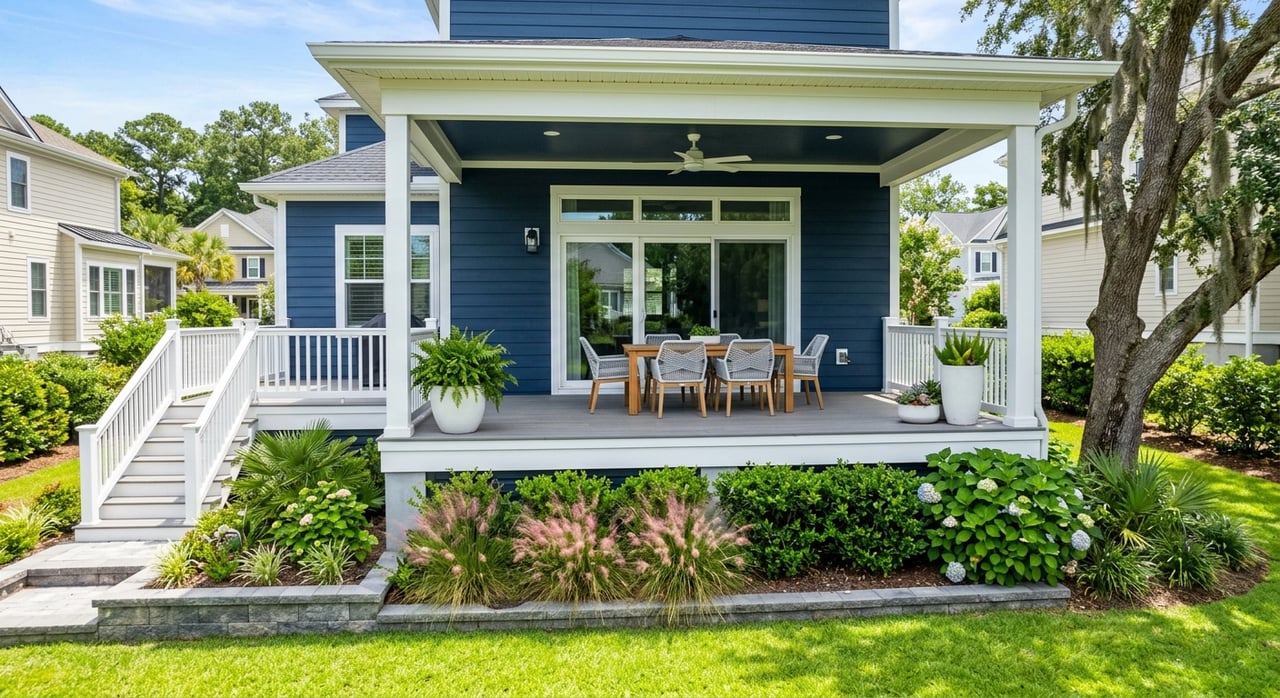
Because of that, practical coastal features can matter more than they might in other places. Buyers often pay close attention to items such as decks, screened porches, outdoor showers, boat or kayak storage, and easy beach access. These features may not change every home’s value in the same way, but they can affect demand and how competitive you need to be.
Build a strong NC offer structure
In North Carolina, the standard residential contract is the Offer to Purchase and Contract, Form 2-T. One of the most important parts of that offer is the due diligence fee. According to the North Carolina Real Estate Commission, that fee is paid to the seller and is generally nonrefundable unless the seller materially breaches the contract or a risk-of-loss situation applies.
For you, that means the due diligence fee is not a casual number. It is one of the clearest ways to show commitment and make your offer stronger. In a balanced but active coastal market, a credible due diligence fee can help your offer stand out without forcing you to automatically offer the highest price.
Why due diligence matters
A stronger due diligence fee can reassure the seller that you are serious and prepared. It also compensates the seller for taking the property off the market while you complete inspections, insurance review, and other property checks. In a coastal market, that review period can be especially important.
That said, stronger does not always mean reckless. You want terms that are competitive but still fit your budget and risk comfort level. The goal is to make a smart offer, not just an aggressive one.
Verify flood risk early
Flood review should move to the top of your checklist for any Carteret County coastal home. The North Carolina Department of Insurance says standard homeowners insurance does not cover flood damage. It also notes that lenders may require flood insurance if a property is in a flood plain.
Carteret County adds another key layer here. The county says FEMA finalized new flood insurance rate map panels for select areas on January 17, 2025, and buyers should check whether a property will be mapped into the new Coastal A flood zone. That is the kind of detail you want to understand before you write an offer or, at the latest, immediately after acceptance during due diligence.
What to confirm before you commit
Before you get too far, make sure you confirm:
- Whether the property is in a flood plain
- Whether a lender will require flood insurance
- Whether the property is affected by updated flood mapping
- What the insurance picture looks like before your due diligence period runs out
These checks can influence your monthly costs, your comfort with the home, and your long-term resale planning.
Check permits and future plans
A coastal home can come with improvements that look great on a showing but raise questions later. If a property has a dock, bulkhead, addition, major exterior work, or other site changes, it is wise to verify what has already been approved. Carteret County’s Planning and Development department reviews development for compliance with zoning, flood damage prevention, subdivision, and CAMA rules.
NC DEQ also notes that oceanfront buildings are subject to setback rules and coastal management permitting. If you hope to renovate, expand, or make exterior changes after closing, you should understand what may require approval. A strong offer is not just about winning the house. It is about knowing what you are buying and what you can realistically do with it.
Consider hurricane season timing
Timing matters on the Crystal Coast. NOAA says the Atlantic hurricane season runs from June 1 through November 30. Carteret County says evacuation orders generally apply to Bogue Banks, waterfront-adjacent properties, low-lying or flood-prone areas, and mobile homes.
If you are shopping in spring, summer, or early fall, sellers may still expect confidence and speed, especially in high-interest coastal pockets. At the same time, you should be ready with your financing, insurance plan, and inspection strategy before you submit an offer. Being organized helps you move fast without skipping key steps.
Why season can shape offer strategy
Carteret County’s housing needs assessment describes a market heavily influenced by tourism, vacation rentals, and second homes. The county also notes that during tourist season, visitors, boaters, campers, and RV users may be asked to begin evacuation earlier than the official evacuation period. That combination makes coastal timing more than just a weather issue.
In practical terms, spring and summer can bring more active buyer interest and more urgency around attractive coastal listings. If you wait to sort out pre-approval, insurance questions, or your offer terms until the perfect home appears, you may lose valuable time.
What a strong offer looks like
The strongest offer on a Carteret County coastal home is usually a mix of price, preparation, and clean terms. It reflects the right local comps, especially for water access or view-driven value. It includes a due diligence fee that shows commitment and gives the seller confidence.
It also accounts for the realities of coastal ownership. That means flood review, insurance verification, permit history, and evacuation awareness should all be part of your process. In this market, you do not need to panic. You do need to be ready.
If you want help building a smart offer strategy for a Carteret County coastal home, Vicki Lemmond can help you move with clarity, confidence, and buyer-first guidance.
FAQs
How competitive is the Carteret County coastal home market?
- As of June 2026, Carteret County was a balanced but active market with about 1,327 active listings, a median 67 days on market, and homes selling about 2.99% below asking on average.
What makes an offer strong on a Carteret County coastal home?
- A strong offer usually combines realistic pricing, the right comparable sales, a credible due diligence fee, and fast review of flood, insurance, and permitting issues.
Why do Carteret County coastal home prices vary so much?
- Prices vary by submarket and by features such as island location, water access, and view quality, with listing medians differing widely between places like Emerald Isle, Pine Knoll Shores, Cape Carteret, Harkers Island, and Atlantic Beach.
What should buyers check about flood insurance in Carteret County?
- You should confirm whether the property is in a flood plain, whether flood insurance may be required by a lender, and whether updated flood map panels or the Coastal A flood zone could affect the property.
Why does the due diligence fee matter in a North Carolina home offer?
- In North Carolina, the due diligence fee is paid to the seller and is generally nonrefundable, so it is a key way to show seriousness and strengthen your offer terms.
What permit issues matter for Carteret County coastal homes?
- For homes with docks, bulkheads, additions, or major exterior changes, you should verify permit history and understand whether future work may need zoning, flood, CAMA, or coastal management approvals.