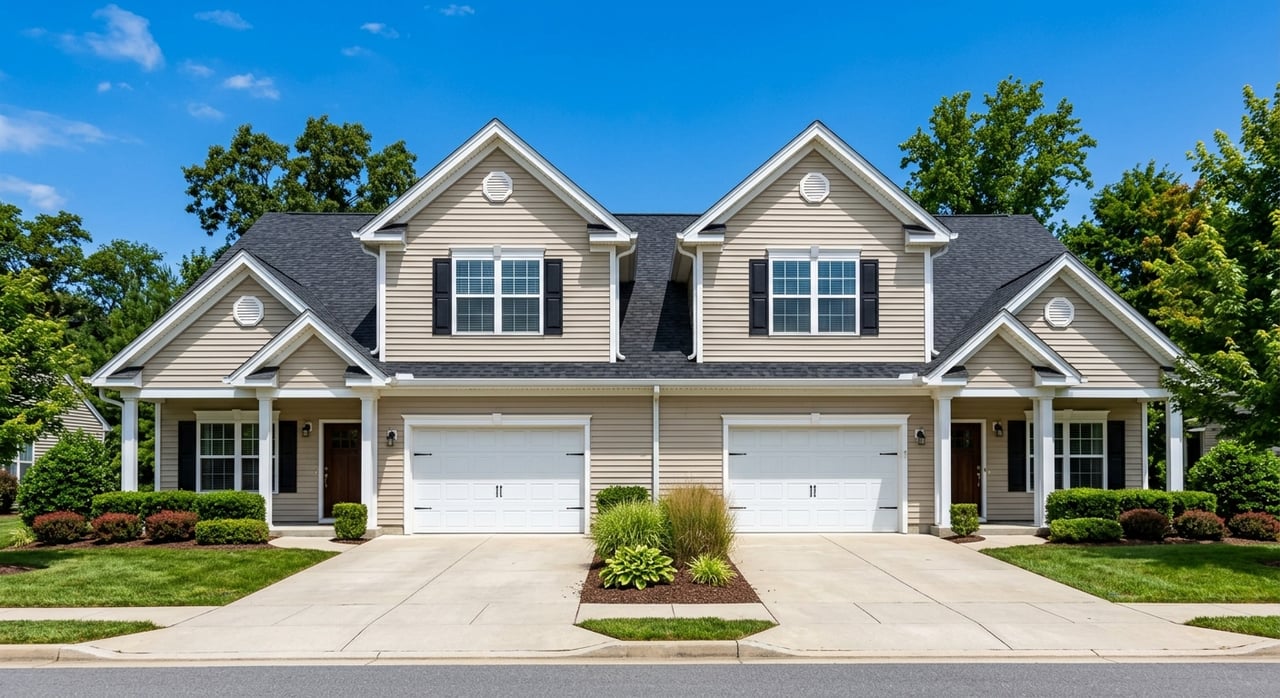
Thinking about buying a condo or townhome in Craven County? You are not alone, and you are smart to look closely before making an offer. Attached homes can offer lower-maintenance living, flexible price points, and amenities that appeal to many buyers, but they also come with legal, financial, and insurance details that matter in a big way. This guide will help you understand how condos and townhomes work in Craven County so you can buy with more confidence. Let’s dive in.
Craven County attached homes at a glance
Craven County’s condo and townhome market is smaller than the market for all home types, but it is active enough that buyers need to know what they are comparing. Current county-level listing pages show 34 townhouses for sale with a median listing price of $253,000 and 9 condos for sale with a median listing price of $215,000. By comparison, the county’s median sale price across all home types is $321,000.
That range shows why attached housing draws interest from different kinds of buyers. In New Bern, recent listings include a townhouse starting around $250,990 and condos ranging from about $160,000 to $695,000. In other words, a condo or townhome in Craven County is not tied to just one budget or one lifestyle.
Where condos and townhomes are found
Many attached-home listings in Craven County are concentrated around New Bern. You may also see options in Havelock, Fairfield Harbour, River Bend, and nearby parts of the county. That gives buyers a mix of locations, amenities, and price points to compare.
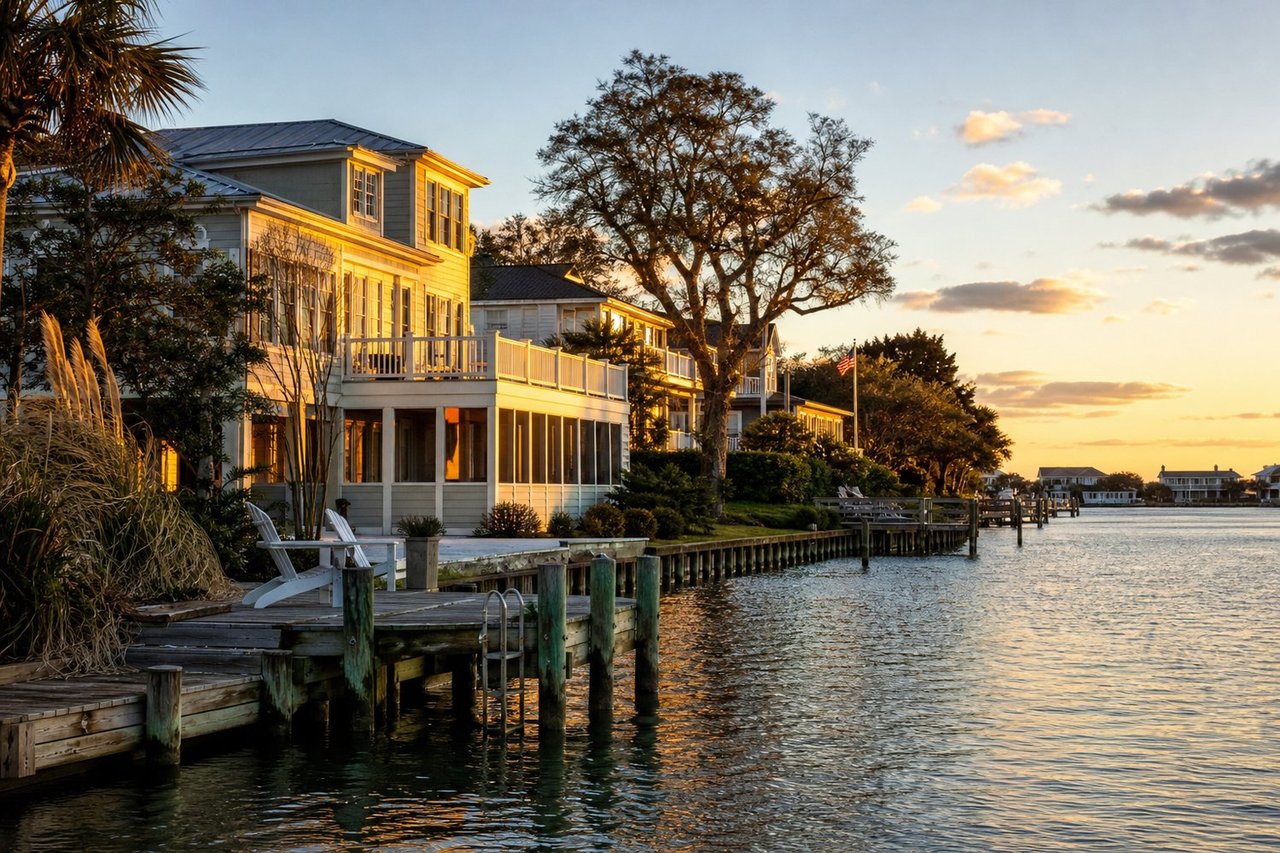
Some communities help illustrate the variety you may find. West New Bern includes townhomes and multi-family housing and is located near downtown New Bern and CarolinaEast Medical Center. Carolina Colours includes association-owned amenities such as swimming, tennis, pickleball, and a dog park, while Fairfield Harbour is known for marina and golf access, and downtown Sky Sail offers waterfront condo living with gated parking, elevator access, and a saltwater pool.
Condo vs. townhome legal differences
Why the legal structure matters
One of the biggest mistakes buyers make is assuming that the exterior style tells the whole story. In North Carolina, condos and planned communities are governed by different legal frameworks. Two attached homes may look similar from the street, but ownership rights, insurance responsibilities, and financing rules can be very different once you review the declaration and plat.
That matters because lenders also treat these property types differently. Fannie Mae distinguishes condos from planned unit developments, often called PUDs, and requires the correct mortgage documents and appraisal forms based on the legal structure. A townhome that is legally a PUD may be easier to finance than a unit that is legally a condo.
What a condo usually means
With a condo, you typically own the interior unit space while the association owns or maintains common elements. For new condos in North Carolina, buyers must receive a public offering statement. That disclosure includes details such as the project description, bylaws and rules, budget and reserve information, common expense assessments, insurance coverage, known title issues, and pending lawsuits.
North Carolina also gives buyers of new condos a seven-calendar-day cancellation right after signing the contract. For resale condos, the seller must provide the monthly common expense assessment and other fees payable by unit owners. Those details can affect your budget right away.
What a townhome usually means
A townhome may feel more like a single-family home because of how it looks and how it is laid out. Still, many townhomes are part of a planned community with mandatory HOA obligations under North Carolina law. That can include assessments for common expenses, community rules, and association maintenance of shared property.
This is why it is important to ask exactly what you are buying. The answer affects maintenance, insurance, and financing. It also shapes what the association controls and what you are personally responsible for.
HOA dues and maintenance tradeoffs
The main appeal of condos and townhomes is often simpler day-to-day upkeep. You may spend less time on exterior maintenance, landscaping, or shared amenities. But lower hands-on maintenance does not mean lower total cost.
Part of your ownership cost may shift into monthly dues and, in some cases, special assessments. That is why buyers should look beyond the mortgage payment and ask what the association fee covers. A lower-maintenance lifestyle can be a great fit, but only if the numbers work for your monthly budget.
What to review in the HOA documents
Association documents can tell you a lot about the health of the community. You will want to know whether the association has adequate reserves, whether there are deferred maintenance issues, and whether any major repairs are planned. You should also ask if there have been recent special assessments or discussions about future ones.
Rules matter too. Restrictions may affect rentals, short-term rentals, pets, parking, or exterior changes. These are practical quality-of-life issues that are easier to evaluate before you make an offer than after you move in.
Insurance and flood risk in Craven County
Your monthly payment is more than the mortgage
When you budget for a condo or townhome, think in terms of the full monthly cost. That can include principal and interest, property taxes, mortgage insurance, homeowner’s insurance, supplemental insurance such as flood insurance, and HOA dues. For attached homes, insurance can be more layered because the association may carry a master policy for common areas while you still need coverage for your own unit.
That makes it important to ask what the association insures and what you must insure personally. If you do not understand that split, it is easy to underestimate your real monthly housing cost.
Flood questions matter here
Flood risk deserves extra attention in Craven County. According to the county, the main local flood sources are storm surge and riverine flooding tied to the Neuse and Trent systems. The county also notes that standard homeowner’s insurance likely does not cover flood losses.
Craven County participates in the National Flood Insurance Program, and property owners qualify for a 10% flood insurance premium reduction because the county is a Class 8 Community Rating System community. The county also states that development in designated flood hazard areas requires a local flood development permit. Before you commit to a property, ask whether it is in a flood hazard area and what flood insurance may cost.
Financing a condo or townhome
Condo financing can be more project-specific
Financing for a condo is often more dependent on the project itself than financing for a detached home. Fannie Mae requires lenders to verify condo project eligibility, and its standards look at issues such as project completion, owner turnover, phasing, and special assessments. Lenders may also review whether there are critical repairs, inadequate insurance, significant litigation, or operations that resemble hotel-style short-term rentals.
For some buyers, this means a condo that fits your budget and goals still may need extra lender review. FHA financing may be possible in FHA-approved projects or through single-unit approval if the project is complete, ready for occupancy, and meets the criteria. VA-backed financing may also be used for a condo, but only in a VA-approved project.
Townhomes may be simpler in some cases
Some legally structured townhomes, especially PUD units, may involve less project review than condos. That does not mean every townhome is easy to finance, but it does mean the legal structure can affect your loan path. If you are using a specific loan type, confirm early that the property and project fit that loan.
This is especially important if you are relocating, buying on a timeline, or trying to keep your transaction moving smoothly. A little clarity up front can prevent delays later.
Ask for disclosures early
In North Carolina, HOA paperwork should be part of your due diligence from the start. The North Carolina Real Estate Commission requires an owners’ association and mandatory covenants disclosure statement. If required disclosures are not delivered before or at the time of the offer, the buyer may have a cancellation right within the statute’s deadline.
That is a strong reason to request the disclosure packet early. You want enough time to review fees, rules, insurance, reserves, and any red flags before you are too far into the process.
Smart questions before you buy
If you are considering a condo or townhome in Craven County, these are some of the most useful questions to ask before making an offer:
- Is the property legally a condo, a PUD townhome, or another planned-community product?
- What do the monthly dues cover?
- Have there been any special assessments, or are any being discussed?
- How much money is in reserves?
- Are there deferred maintenance issues or pending repairs?
- What insurance does the association carry?
- What insurance will you need for the unit itself?
- Are there restrictions on rentals, short-term rentals, pets, parking, or exterior changes?
- Can your loan type work with this project, including FHA or VA if needed?
- Is the property in a flood hazard area, and what could flood insurance cost?
These questions are not just paperwork details. They help you understand your true ownership cost, your financing path, and your day-to-day experience after closing.
Why attached housing can still be a great fit
For many buyers, a condo or townhome in Craven County can be a practical and appealing choice. You may find a lower-maintenance setup, access to amenities, and a price point that differs from detached homes in the same area. That can be especially helpful if you want convenience near New Bern or if you are comparing several lifestyle options across the county.
The key is making sure the monthly budget, HOA structure, insurance needs, and financing all fit together before you sign. When you understand the details early, you can make a smarter decision and avoid surprises later.
If you want help comparing condos, townhomes, and other homes in North Carolina, Vicki Lemmond is here to guide you with buyer-first advice, local insight, and a clear plan for your next move.
FAQs
What is the difference between a condo and a townhome in Craven County?
- In Craven County, the biggest difference is often the legal structure, not just how the home looks. A condo and a townhome can appear similar, but they may have different ownership rights, HOA responsibilities, insurance needs, and financing rules.
What should HOA dues cover for a Craven County condo or townhome?
- HOA dues may cover common-area maintenance, shared amenities, and other community expenses, but coverage varies by property. You should always ask what is included and whether there have been any special assessments.
Can you use FHA or VA financing for a condo in Craven County?
- Possibly, but it depends on the specific project. FHA financing may work in approved projects or through single-unit approval when the project meets the requirements, and VA-backed loans require a VA-approved condo project.
Why is flood insurance important when buying in Craven County?
- Craven County identifies storm surge and riverine flooding from the Neuse and Trent systems as major local flood risks, and standard homeowner’s insurance likely does not cover flood losses. That makes flood-zone review and insurance pricing important before you buy.
Where are condos and townhomes commonly found in Craven County?
- Many attached-home options are found in and around New Bern, with additional opportunities in places like Havelock, Fairfield Harbour, and River Bend.