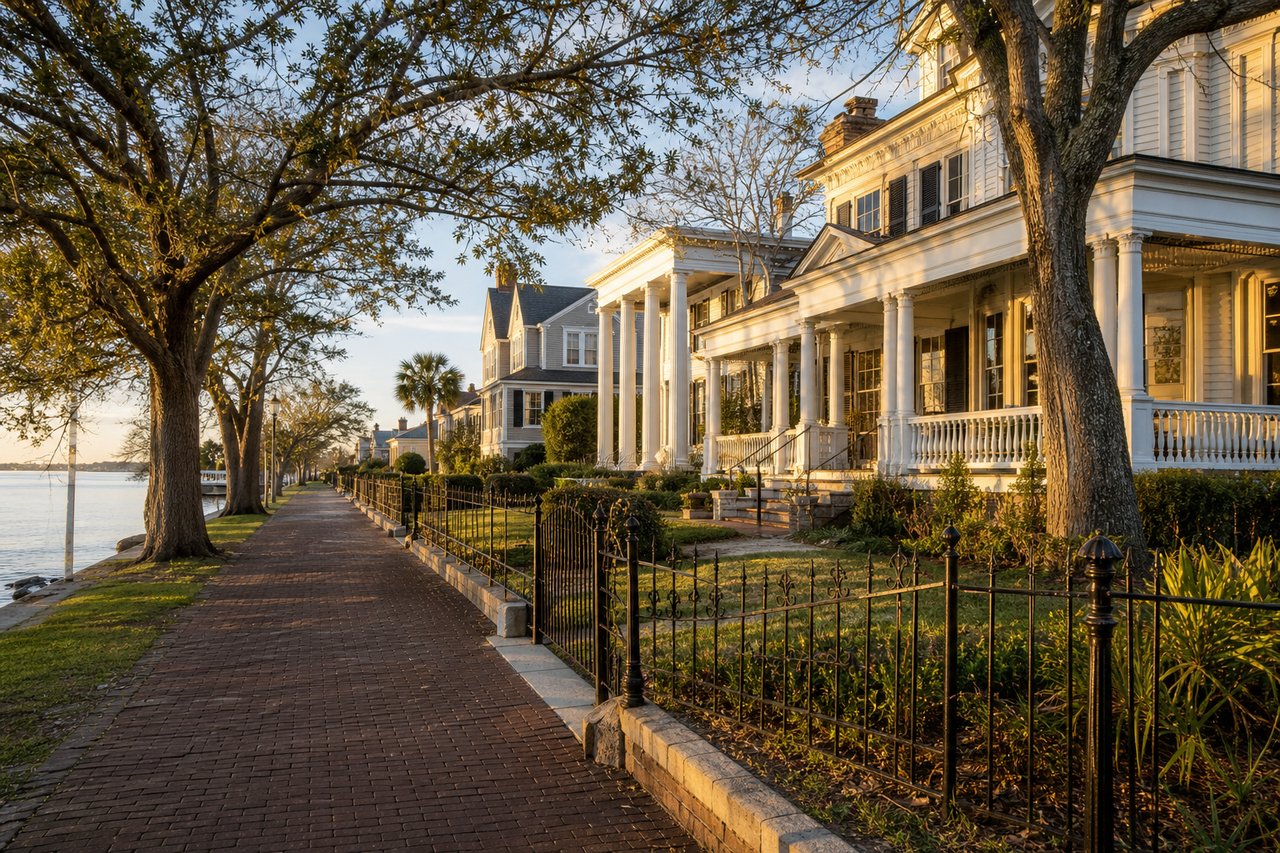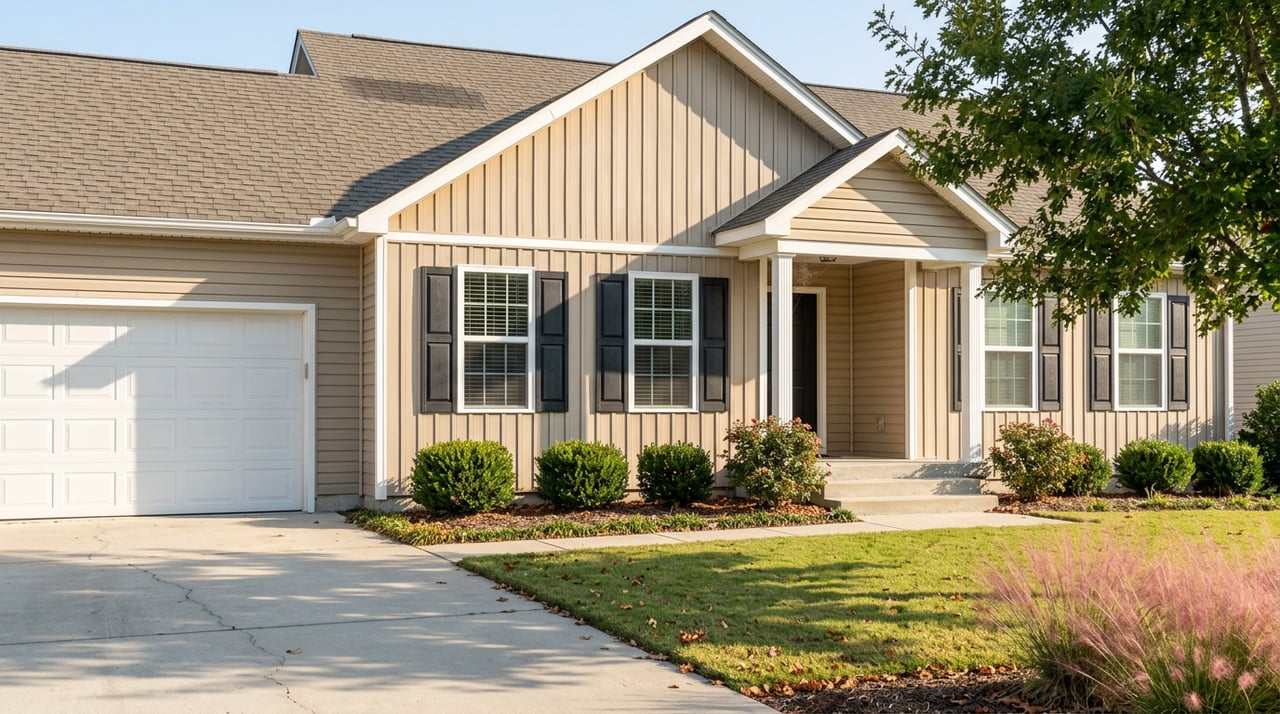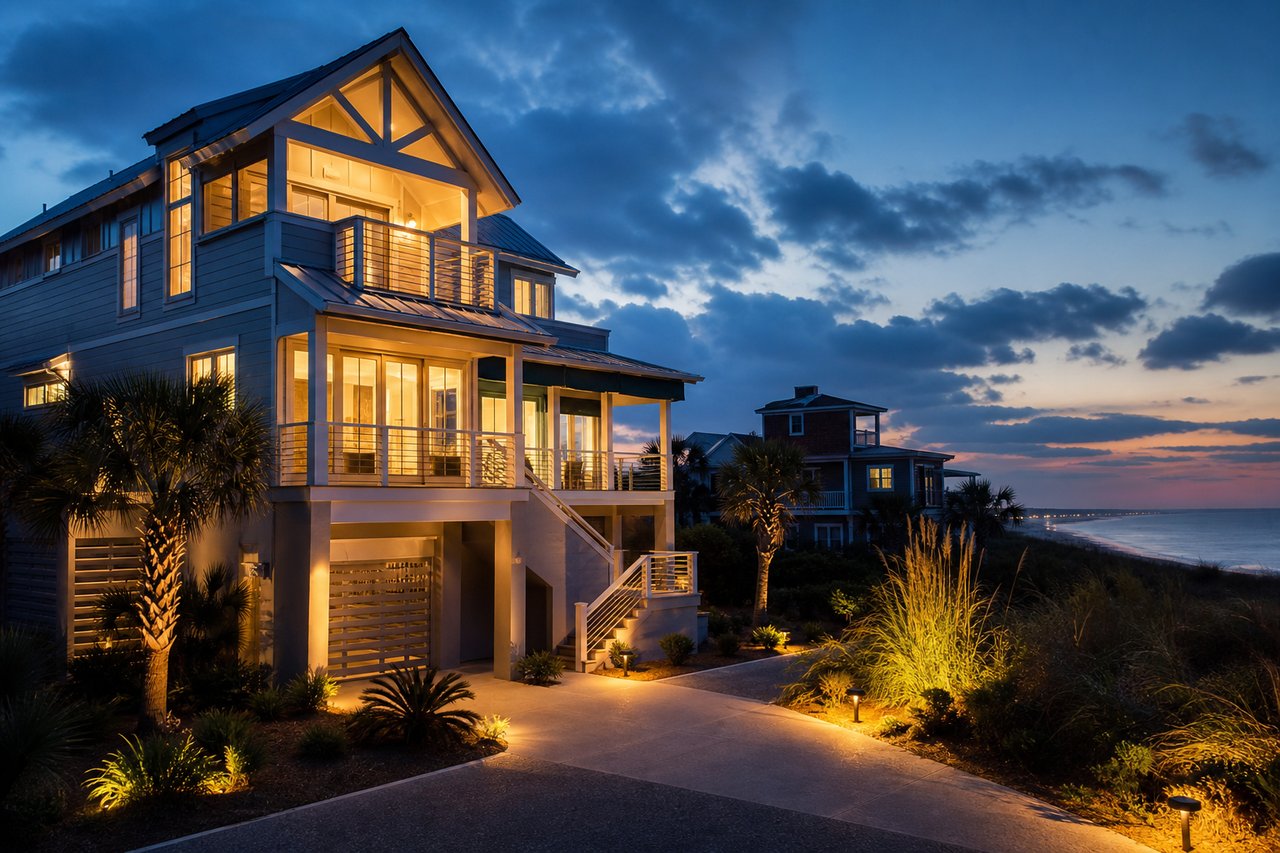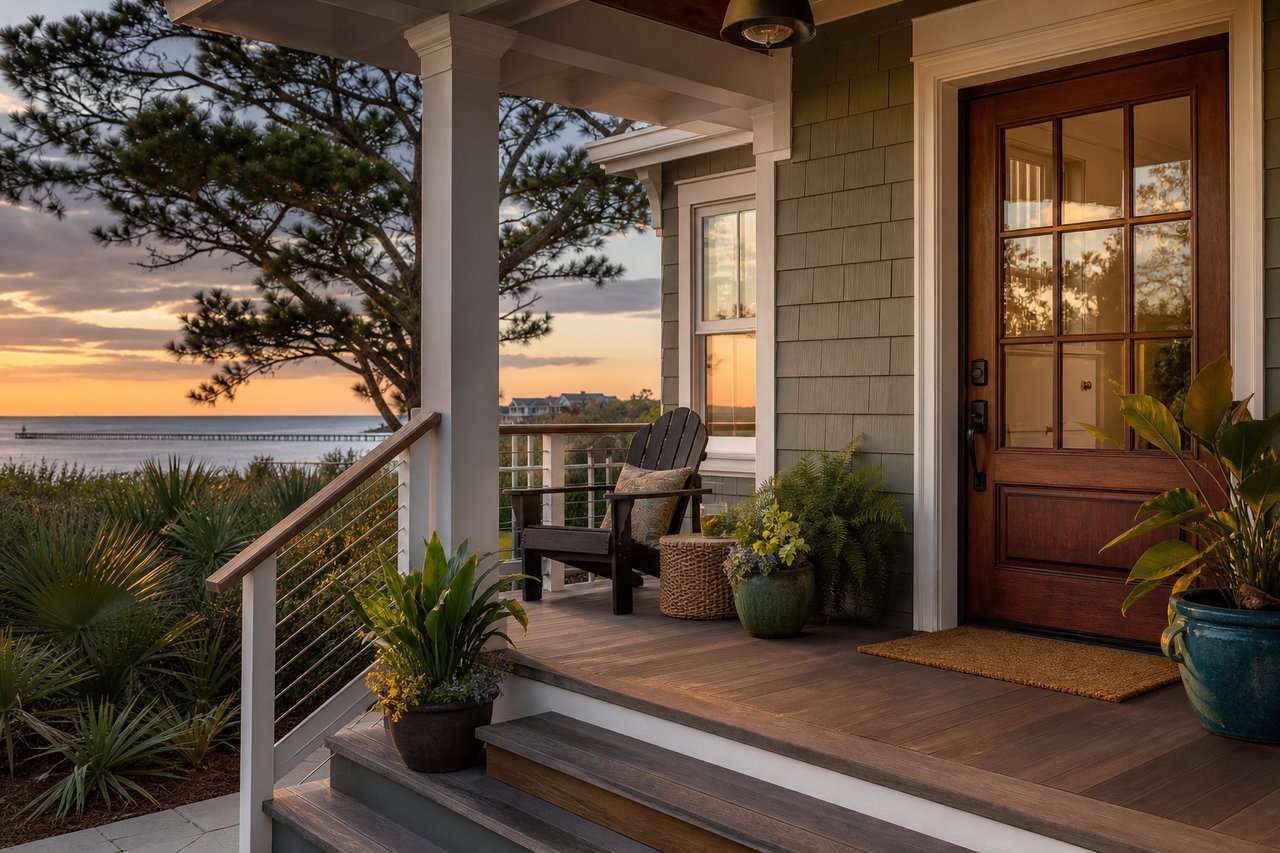
Buying near the coast can feel like a dream until inspection reports, flood maps, and insurance quotes start raising new questions. If you are considering a home in Carteret County, you need more than a standard buyer checklist because coastal risk, construction standards, and insurance rules can directly affect your costs and your peace of mind. This guide walks you through the inspection and insurance steps that matter most, so you can make a smarter decision before your due diligence period ends. Let’s dive in.
Why Carteret County due diligence matters
Carteret County’s flood risk is broader than many buyers expect. According to the county, about 33% of the population and 47% of the land area are within a Special Flood Hazard Area, and the dominant flooding source is wind-driven storm surge from hurricanes, tropical storms, and nor'easters. That means flood exposure is not limited to oceanfront homes.
The county also notes that FEMA’s updated flood determinations took effect on January 17, 2025 for select panels, and some unincorporated areas are now mapped into a new Coastal A flood zone. You can review the county’s flood information on the Carteret County flood information page. For you as a buyer, that makes current flood-map verification an offer-level task, not something to check at the last minute.
Start with a smart inspection plan
A home inspection in North Carolina is an observed, noninvasive evaluation of major systems and components. Under North Carolina law, that includes areas like the roof, foundation, structural components, plumbing, electrical, heating and cooling, and interior and exterior components.
That inspection is important, but it is still a screening tool. Because it is noninvasive, it may not fully uncover hidden moisture, concealed damage, or all prior flood-related issues behind walls or under finishes.
Schedule inspections early
The North Carolina Real Estate Commission recommends completing inspections early enough in the due diligence period to allow time for seller responses, specialist follow-up, and any needed extensions. Their guidance also reminds buyers to read the full report, not just the summary, and not to rely only on a seller-provided inspection report. You can review those recommendations in the NCREC inspection guidelines.
In Carteret County, early timing matters even more because a general inspection may be only the first step. If the inspector flags concerns, you may need more time to evaluate repair costs, insurance implications, or whether the property still fits your budget and risk tolerance.
Pay close attention to these coastal trouble spots
For a coastal purchase, your standard inspection should help you identify where more review may be needed. Common focus areas include:
- Roof condition and signs of past storm damage
- Moisture intrusion in walls, ceilings, or flooring
- Crawlspace or foundation issues
- Exterior components exposed to wind and salt air
- Mechanical systems that may have been exposed to flooding or high moisture
- Rust or corrosion on railings, fasteners, fixtures, and exterior equipment
Salt air can accelerate corrosion, especially on exposed metal components and where unlike materials meet. That means small exterior details can turn into larger maintenance costs over time if they are already showing wear.
Follow up with specialists when needed
If your inspector notes mold, structural cracks, or mechanical, electrical, or plumbing concerns, the NCREC advises getting more specialized inspections. In a coastal setting, follow-up evaluations can be especially helpful when there are questions about moisture, structural stability, roof performance, or systems affected by prior water exposure.
This is one of the biggest mistakes buyers can avoid. A clean-looking home is not always the same as a fully understood home.
Verify the flood zone before removing due diligence
Flood-map research is one of the most important steps for Carteret County buyers. FEMA says its official source for flood-hazard maps is the Flood Map Service Center, and those maps help determine insurance requirements for mortgage lenders.
FEMA also emphasizes that there is no true no-risk area. So even if a home is outside the highest-risk zone, that does not mean flood risk disappears.
Watch for the Coastal A update
Carteret County’s 2025 flood update has practical consequences for buyers in unincorporated areas. The county says that some parcels newly mapped into the Coastal A zone must now meet V-zone construction standards, including building on piers, pilings, or columns, plus breakaway walls and flood venting below the effective base flood elevation.
If you are buying a home that may need future remodeling or substantial improvement, those standards could affect renovation costs and future resale decisions. This is one reason flood-zone verification should happen before you feel locked into the transaction.
Ask for the elevation certificate early
An elevation certificate is not just extra paperwork. FEMA says an elevation certificate can document floodplain-management compliance and can also be used by a property owner to obtain flood insurance.
Carteret County says it keeps copies of elevation certificates for new construction and substantial improvements, which gives buyers a useful starting point. If one exists for the property, ask for it as early as possible.
Why the elevation certificate matters
For buyers, the elevation certificate can help answer several key questions:
- Whether the structure appears to align with local floodplain requirements
- How the building sits relative to flood elevation benchmarks
- Whether flood insurance pricing may be affected by the home’s elevation data
- Whether future permitting or improvement decisions may be more complicated
In short, this document can influence both compliance and long-term carrying costs.
Understand how coastal insurance is layered
One of the biggest surprises for coastal buyers is that homeowners insurance, flood insurance, and wind or hail coverage may not all sit in the same policy. The North Carolina Department of Insurance says standard homeowners insurance usually does not cover flood damage, and in some cases it may also exclude windstorm or hail.
That means you should not assume a single quote tells the full story. In Carteret County, you may need to price out each layer separately before you know the true monthly and annual cost of ownership.
Homeowners insurance is only one piece
A standard homeowners policy may cover many common property risks, but it usually does not replace flood coverage. It also may not include windstorm or hail in every coastal scenario.
Because of that, compare quotes carefully and ask exactly what perils are covered, excluded, or subject to separate deductibles. Two homes with similar list prices can have very different insurance structures.
Flood insurance is separate
The North Carolina Department of Insurance explains that flood insurance is separate from homeowners coverage, and it generally comes with a 30-day waiting period before it becomes effective, with some exceptions. FEMA also notes that homes in high-risk flood areas with government-backed mortgages are required to carry flood insurance.
For you, the takeaway is simple: request a flood insurance quote before your due diligence period expires. Waiting too long can leave you making a major purchase decision without understanding one of the property’s most important ownership costs.
Wind and hail may be separate too
The North Carolina Department of Insurance also says that windstorm and hail coverage may be excluded from the main homeowners policy depending on the insurer and the property location. In those cases, buyers may need a separate policy, often through the North Carolina Insurance Underwriting Association, also known as the Coastal Property Insurance Pool.
That separate policy has its own deductible structure. The NCIUA also states on its official website that it does not provide flood insurance, which is an easy distinction to miss when you are moving quickly.
Compare deductibles, not just premiums
A low premium can look great until you read the deductible details. NC DOI says named-storm deductibles are often calculated as a percentage of Coverage A or Coverage C and can apply when a North Carolina named-storm watch or warning is in effect.
That means your out-of-pocket exposure after a storm may be much larger than expected. When you compare insurance options, look at:
- Annual premium
- Flood premium
- Wind and hail premium, if separate
- Named-storm deductible structure
- Any other percentage-based deductibles
- Coverage exclusions or limitations
This side-by-side review can help you avoid buying a home that fits your mortgage payment but stretches your real storm-risk budget.
Look for mitigation features that may lower costs
Construction quality can affect more than durability. The NCIUA’s 2025 mitigation tables show that features such as total hip roofs, opening protection, and IBHS/FORTIFIED designations can earn meaningful premium credits.
When you tour homes or review disclosures, ask what resilience features are already in place. Those upgrades may improve storm performance and reduce long-term wind-related insurance costs.
Features worth asking about
Depending on the property, useful questions may include whether the home has:
- A hip roof design
- Opening protection for windows and doors
- Documented resilience upgrades
- FORTIFIED-related design or construction features
- Raised construction consistent with local flood requirements
Even if you love the layout and location, these details can shape your real monthly cost over time.
Plan for moisture and maintenance after closing
Owning near the coast means staying proactive about moisture. The EPA says in its mold and moisture guidance that moisture control is the key to mold control, and wet areas should generally be dried within 24 to 48 hours to help prevent mold growth.
That makes roof leaks, humidity, and quick post-storm drying part of routine homeownership, not just rare emergency tasks. If the home has any history of water intrusion, make sure you understand what was repaired and how future moisture will be managed.
If flooding affects HVAC or mechanical systems, the EPA also warns in its flood cleanup guidance that cleanup can be hazardous and that affected systems should be evaluated carefully rather than simply switched back on. For buyers, this reinforces why past water events deserve careful follow-up during due diligence.
A practical checklist for Carteret County buyers
Before you remove due diligence, make sure you have:
- Verified the current flood zone for the parcel
- Checked whether the property is affected by the Coastal A mapping update
- Ordered a general home inspection early in the timeline
- Reviewed the full inspection report, not just the summary
- Scheduled any needed specialist inspections
- Requested the elevation certificate, if available
- Collected quotes for homeowners, flood, and wind or hail coverage
- Compared deductibles along with premiums
- Asked about mitigation and resilience features
- Considered future remodeling implications tied to flood-zone requirements
If you are buying in Carteret County, these are not minor details. They are part of understanding what the home may really cost to own and protect.
A coastal home can still be a great purchase, but the strongest buyers go in with clear eyes and a complete picture. If you want guidance as you compare properties, review due diligence decisions, and line up the right local support, Vicki Lemmond is here to help you buy with more clarity and confidence.
FAQs
What inspections should coastal home buyers get in Carteret County?
- Start with a general home inspection, then add specialist inspections if the report flags issues such as mold, structural concerns, roofing problems, or moisture-related damage.
Why do Carteret County buyers need to verify flood maps early?
- Carteret County has significant flood exposure, and updated mapping that took effect in 2025 may affect insurance requirements, construction standards, and future improvement costs.
What is an elevation certificate for a Carteret County home purchase?
- An elevation certificate is a document FEMA says can help show floodplain-management compliance and can also be used when obtaining flood insurance.
Does homeowners insurance cover flood damage in Carteret County?
- No. The North Carolina Department of Insurance says standard homeowners insurance usually does not cover flood damage, so flood coverage must be reviewed separately.
Do Carteret County buyers need separate wind and hail insurance?
- Sometimes. NC DOI says windstorm and hail coverage may be excluded from a primary homeowners policy depending on the insurer and property location.
How can mitigation features affect Carteret County insurance costs?
- NCIUA’s mitigation tables show that features like hip roofs, opening protection, and certain resilience designations can qualify for premium credits on wind-related coverage.