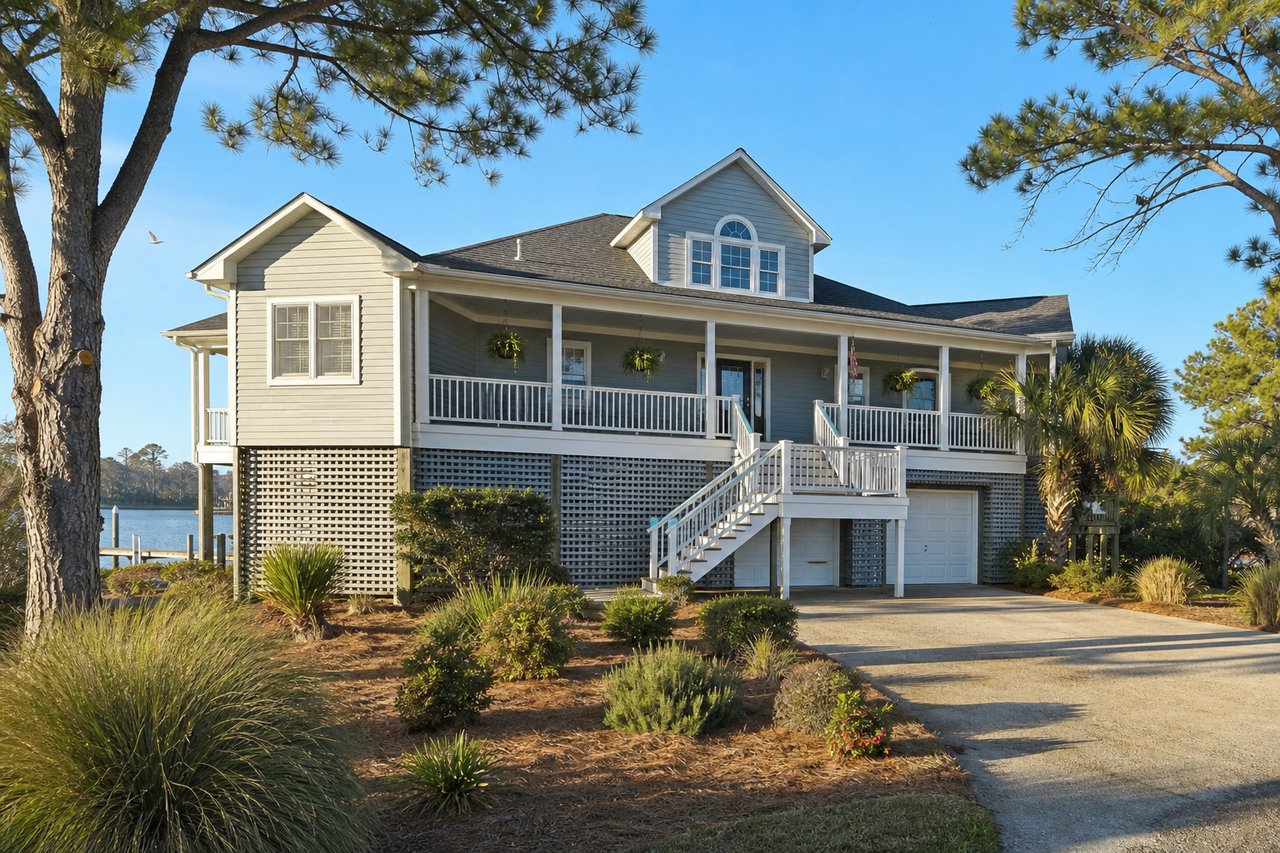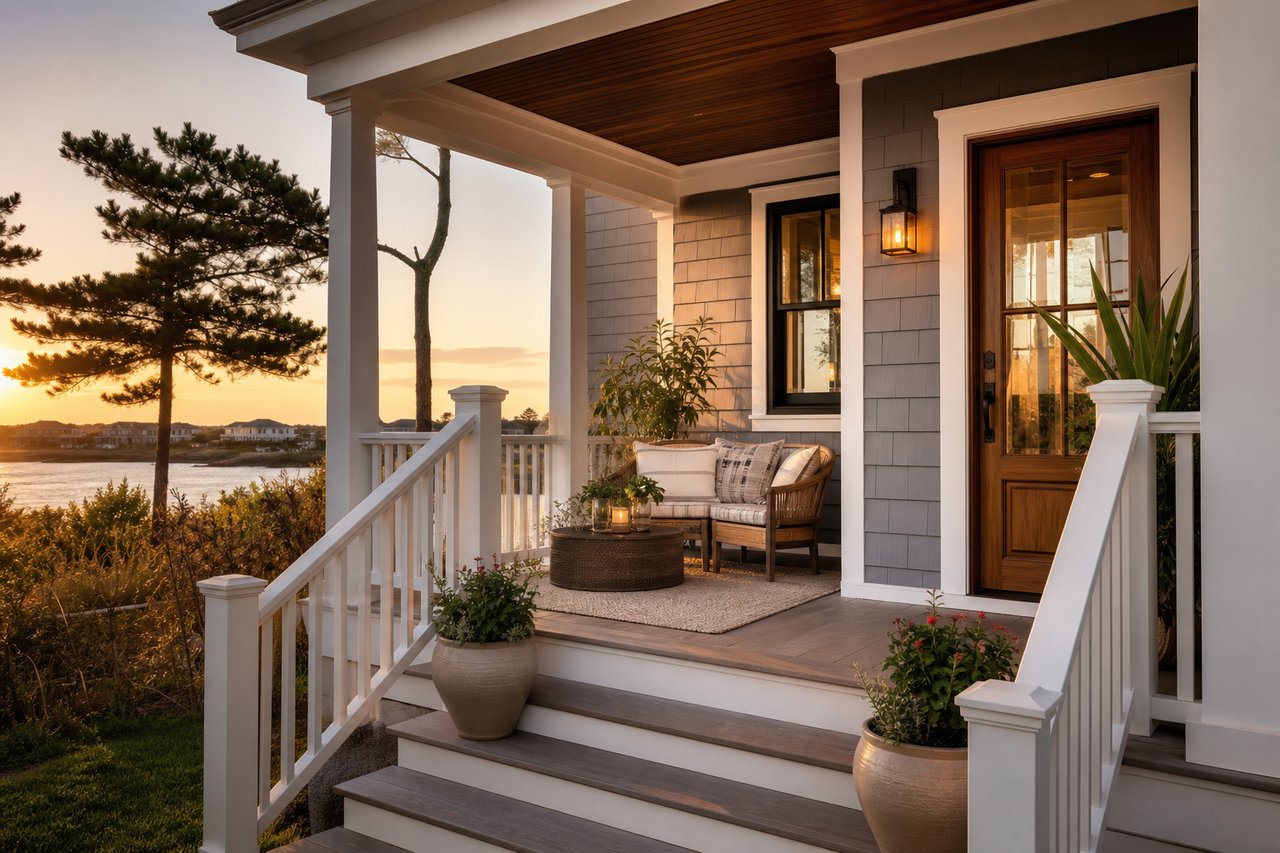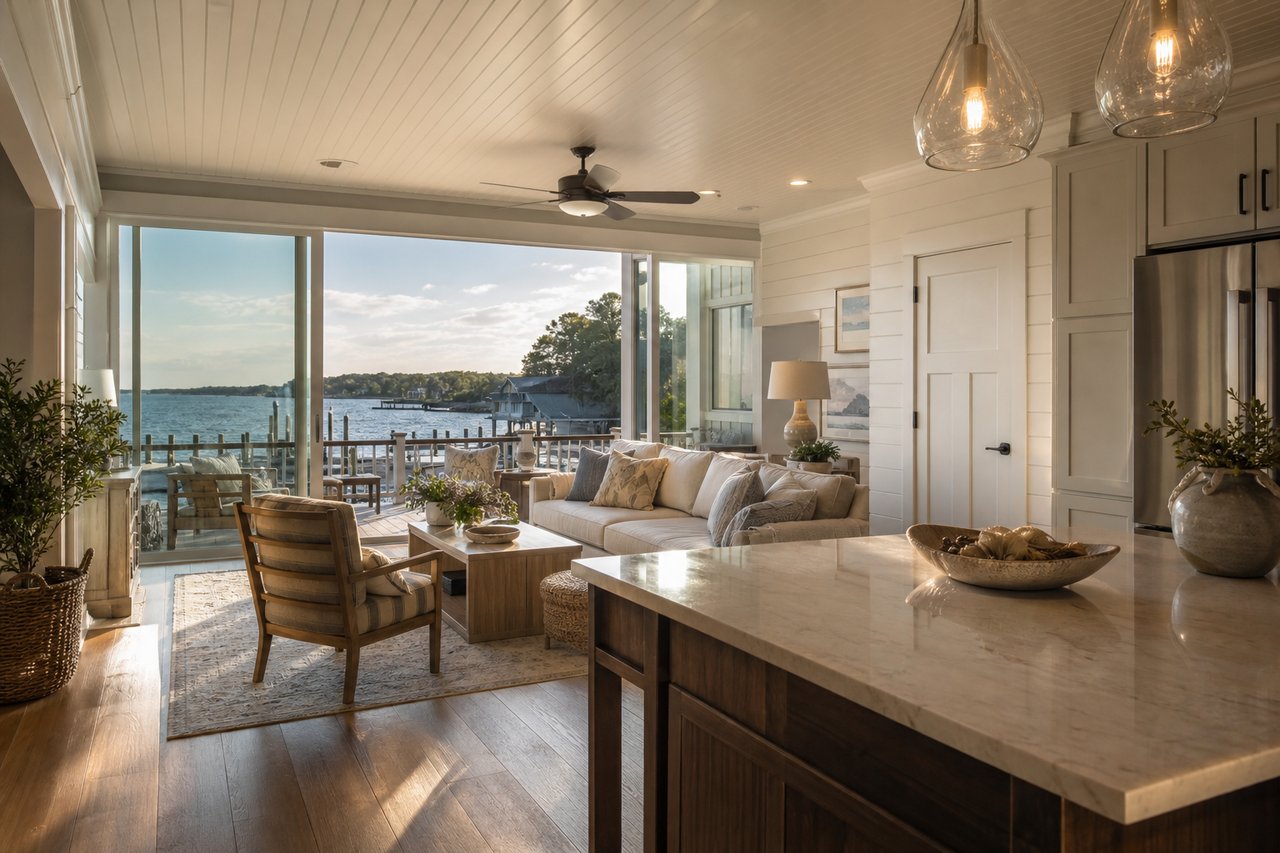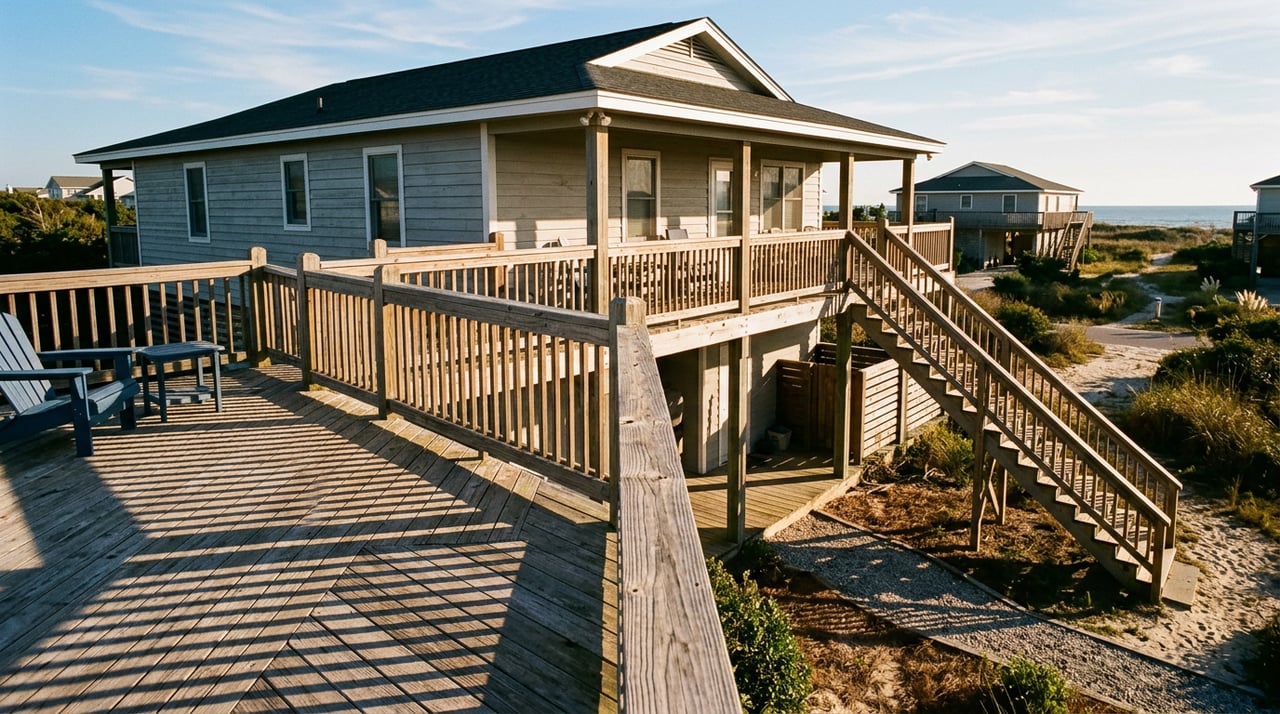
Trying to choose between a full-time home and a beach escape in Carteret County? That decision matters more than many buyers expect. The way you plan to use the property can affect financing, taxes, insurance, and even which towns make the most sense for your search. If you want to buy with fewer surprises, start with the use decision first. Let’s dive in.
Why use matters in Carteret County
Carteret County offers a wide mix of lifestyles across the Crystal Coast. Local tourism information describes the area as 11 waterfront towns and 85 miles of coastline, with mainland communities like Beaufort, Morehead City, Newport, and Cape Carteret/West, along with barrier-island communities like Atlantic Beach, Emerald Isle, Indian Beach, Pine Knoll Shores, and Salter Path.
That mix creates two very different buying paths. You may want an everyday home that supports work, storage, parking, and year-round routines. Or you may want a property built around beach access, part-time use, and a lock-and-leave lifestyle.
Carteret County also supports both goals. County tourism and lifestyle pages highlight year-round attractions like Fort Macon State Park, the aquarium, the maritime museum, Cape Lookout, boating, paddling, trails, festivals, and fishing events. That is part of what makes the area appealing for both primary residences and vacation homes.
Primary home vs vacation home
What counts as a primary residence
For conventional lending, Fannie Mae defines a principal residence as the property you occupy as your primary home. In simple terms, this is the place where you live full time.
If your plan is to make Carteret County your everyday base, this category may fit best. It can also matter for certain residence-based property tax relief programs in Carteret County, which are tied to a home that is owned and occupied as a permanent or primary residence.
What counts as a second home
Fannie Mae says a second home must be occupied by the borrower for some portion of the year and be suitable for year-round occupancy. It must be a one-unit dwelling, remain under the borrower’s exclusive control, and cannot be rental property or a timeshare.
That means a true vacation home is more than a beach address. It needs to meet lender rules for personal use, and rental income cannot be used to qualify if the loan is being delivered as a second home.
When a home becomes an investment property
If the main plan is to rent the property most of the time, or if you need rental income to help make the purchase work, the home is usually closer to investment-property treatment. Fannie Mae defines an investment property as real estate that is owned but not occupied by the borrower.
This matters because occupancy choice can affect both eligibility and pricing. Fannie Mae applies loan-level pricing adjustments to certain second-home loans and to all investment-property loans.
How to choose the right fit
Choose a primary home if you want daily livability
A primary residence usually makes the most sense when your focus is everyday function. In Carteret County, that often means looking at year-round access to services, parking, storage, storm readiness, and how the location supports your normal routine.
For many buyers, mainland communities can be a practical place to start this search. Local tourism descriptions suggest towns such as Newport and Cape Carteret/West lean quieter or more residential than many barrier-island areas.
Choose a vacation home if you want part-time coastal living
A vacation home may be the better fit if your goal is personal use during part of the year. Buyers often look for easier upkeep, beach convenience, and features that make the property simple to close up when they are away.
On the Crystal Coast, barrier-island towns often align more naturally with that kind of search. Atlantic Beach, Emerald Isle, Indian Beach, Pine Knoll Shores, and Salter Path are often part of the vacation-home conversation because of their beach-oriented setting.
Choose carefully if you want flexible use
Some buyers want a home they can enjoy personally and possibly rent at times. That can work, but you should be very clear with your lender about intended use before comparing financing options.
If you want second-home financing, the property needs to meet second-home rules, including personal occupancy and exclusive control. If rental income is central to the decision, investment-property treatment may be the more realistic path.
Local factors that can change the math
Flood risk is a major Carteret County issue
Flood risk should be near the top of your checklist in Carteret County. The county says the dominant source of flooding is wind-driven storm surge from hurricanes, tropical storms, and nor’easters.
The county also says about 33 percent of the population and 47 percent of the land area are within the Special Flood Hazard Area. Portions of unincorporated Carteret County were also mapped into a new Coastal A flood zone beginning January 17, 2025, with stronger standards for new construction and substantial improvements.
Before you make assumptions about any property, check county GIS or NCFRIS flood tools. Carteret County also keeps elevation certificates for new construction and substantial improvements and can help with map amendments or revisions.
Flood insurance may be required
FEMA identifies high-risk flood areas on maps as Zones A and V. If you have a federally backed mortgage in those zones, flood insurance is required.
Flood risk does not stop outside those zones, though. Risk and insurance costs can change, which is why flood review should be part of your early due diligence, not something you leave until the end.
Coastal permits can matter
Carteret County is a CAMA county. The state coastal management office says single-family homes require minor permits under CAMA, and if a property is in an Area of Environmental Concern, a CAMA permit may be needed.
The exact rules can vary by location. The county planning department handles zoning and floodplain functions in unincorporated areas and also provides inspections in several towns, so property location matters a lot.
Rental taxes affect vacation-use plans
If you plan to rent the property, taxes become part of the operating cost. Carteret County levies a 6 percent occupancy tax on gross receipts from rental of rooms, houses, and similar accommodations, including Airbnb and VRBO bookings.
That tax does not apply when accommodations are furnished to the same person for at least 90 consecutive days. In addition, the North Carolina Department of Revenue says accommodation rentals are also subject to state and local sales and use tax.
Feature priorities by property use
What to prioritize in a primary home
When buying a primary residence, focus first on how the home works every day. A beautiful location matters, but so do practical details that support full-time living.
Your checklist may include:
- Storage for daily life
- Parking that fits your household needs
- Storm-readiness features
- Year-round access to services
- A layout that works for your routine
What to prioritize in a vacation home
Vacation homes often call for a different set of priorities. Many buyers want lower maintenance and simpler ownership when they are not in town.
Your checklist may include:
- Low-maintenance exterior materials
- Easy-to-close-up systems
- Year-round habitability
- Beach access or vacation-oriented convenience
- Elevated or flood-conscious construction where needed
A simple way to narrow your search
One of the most helpful local filters is to decide whether you want a mainland lifestyle or a barrier-island lifestyle. That choice can quickly bring more clarity to your search.
As a general local pattern, barrier-island towns tend to lean more vacation-oriented. Mainland areas like Newport and Cape Carteret/West are often described as quieter or more residential, which can make them a stronger match for full-time living depending on your goals.
Four things to verify before you offer
Before you write an offer in Carteret County, confirm the details that can affect cost and eligibility as much as the list price.
Make sure you verify:
- The flood zone and likely insurance requirements
- Whether CAMA or other permitting rules apply
- Any rental tax obligations if you plan to rent the home
- How your lender will classify the property by occupancy
That last point is especially important. A home’s location may attract you, but the lender’s occupancy classification can shape the financing just as much as your budget does.
Choosing between a primary or vacation home in Carteret County really comes down to one question: how will you use the property most of the time? Once that answer is clear, it becomes much easier to sort through towns, property types, financing paths, and ownership costs with confidence. If you want buyer-first guidance as you compare your options, connect with Vicki Lemmond.
FAQs
What is the difference between a primary home and a vacation home in Carteret County?
- A primary home is the property you occupy as your full-time residence, while a vacation home is a property you use for part of the year and that must meet lender rules for second-home occupancy.
What towns in Carteret County are often considered more vacation-oriented?
- Local tourism descriptions suggest barrier-island communities such as Atlantic Beach, Emerald Isle, Indian Beach, Pine Knoll Shores, and Salter Path tend to lean more vacation-oriented.
What areas in Carteret County may feel more residential for full-time buyers?
- Local descriptions suggest mainland communities such as Newport and Cape Carteret/West are often seen as quieter or more residential, which can make them worth considering for primary-home buyers.
What flood issues should buyers check before purchasing in Carteret County?
- You should verify the flood zone, review county GIS or NCFRIS flood tools, ask about elevation information when relevant, and understand that flood insurance may be required for federally backed mortgages in high-risk zones.
What taxes apply if you rent out a home in Carteret County?
- Carteret County charges a 6 percent occupancy tax on gross rental receipts for short-term accommodations, and North Carolina also applies state and local sales and use tax to accommodation rentals.
What should buyers confirm about financing for a Carteret County second home?
- You should confirm that the property meets second-home rules for personal occupancy, year-round suitability, one-unit status, exclusive control, and that rental income cannot be used to qualify if the loan is treated as a second home.