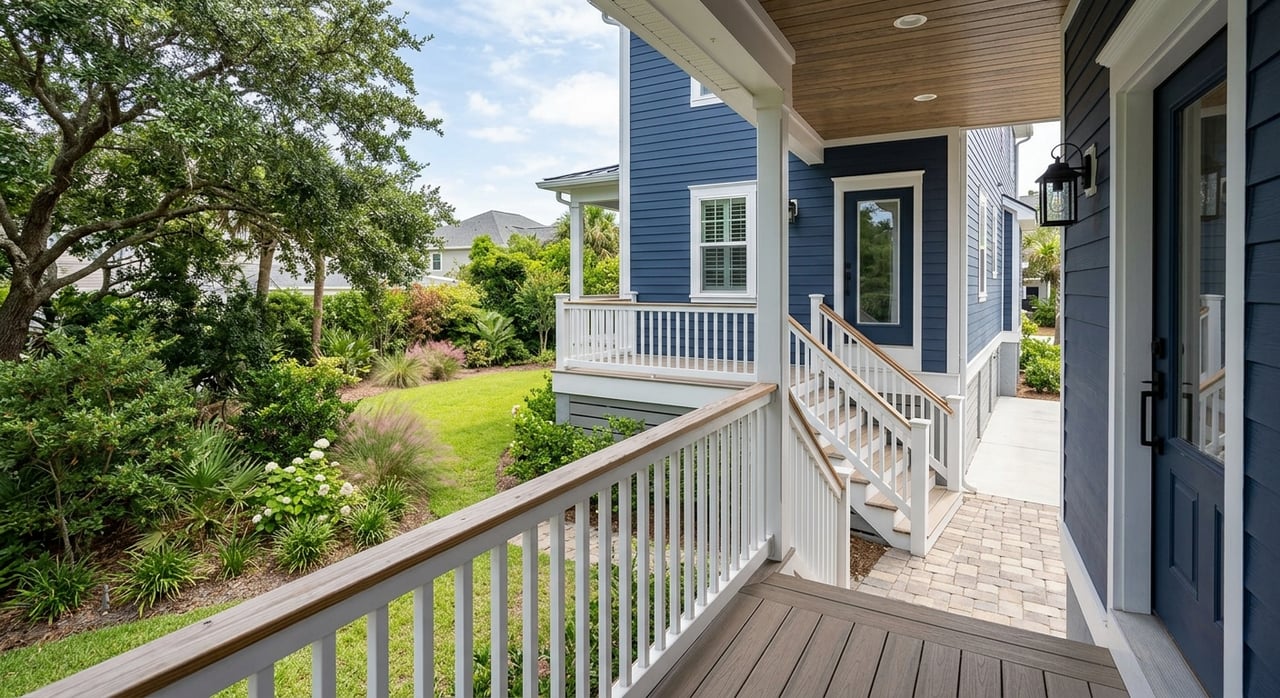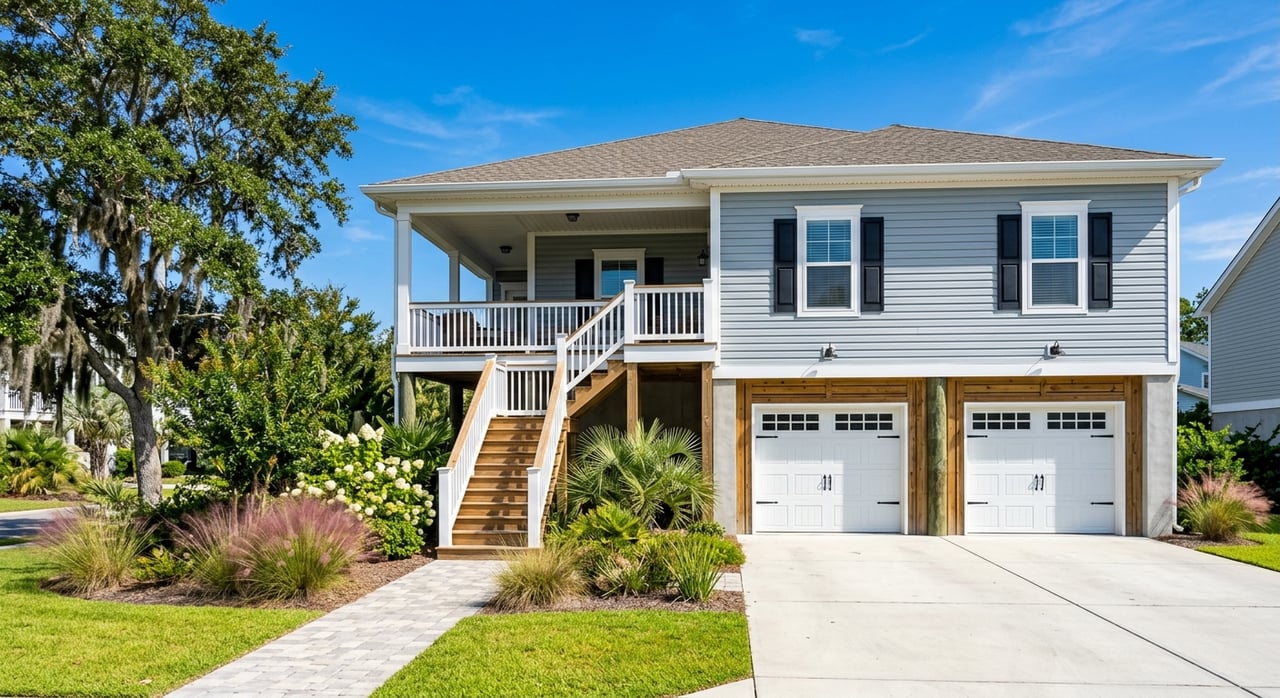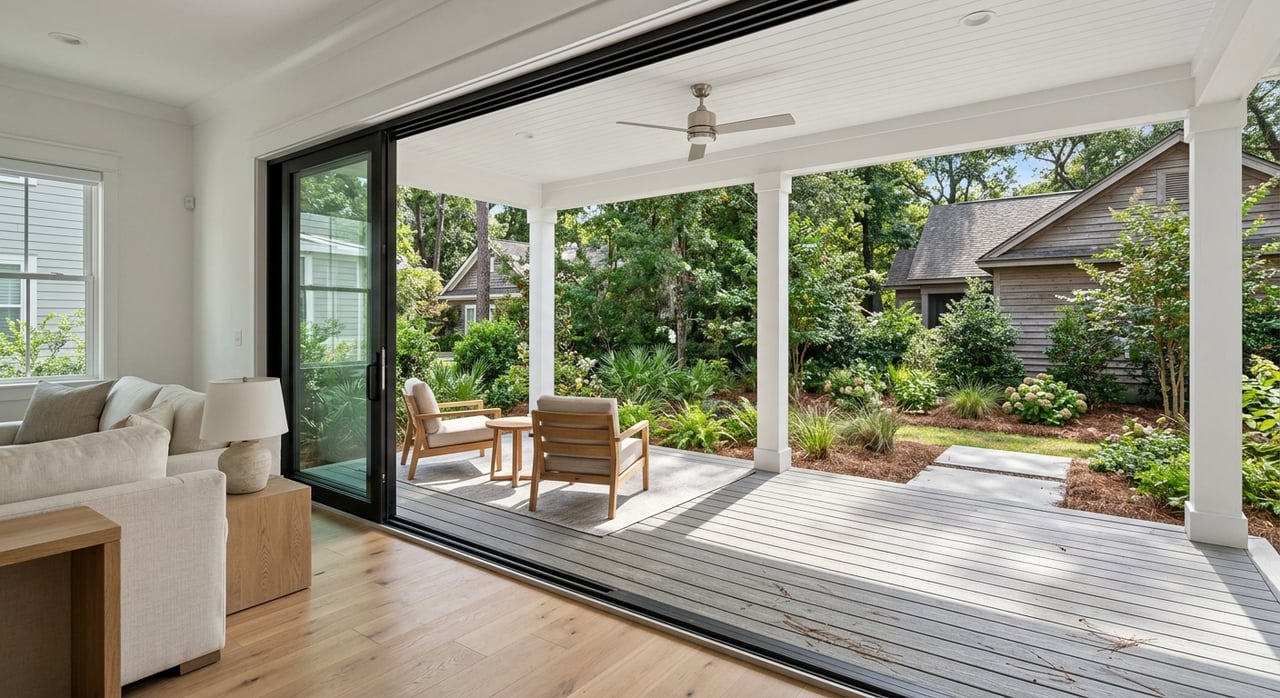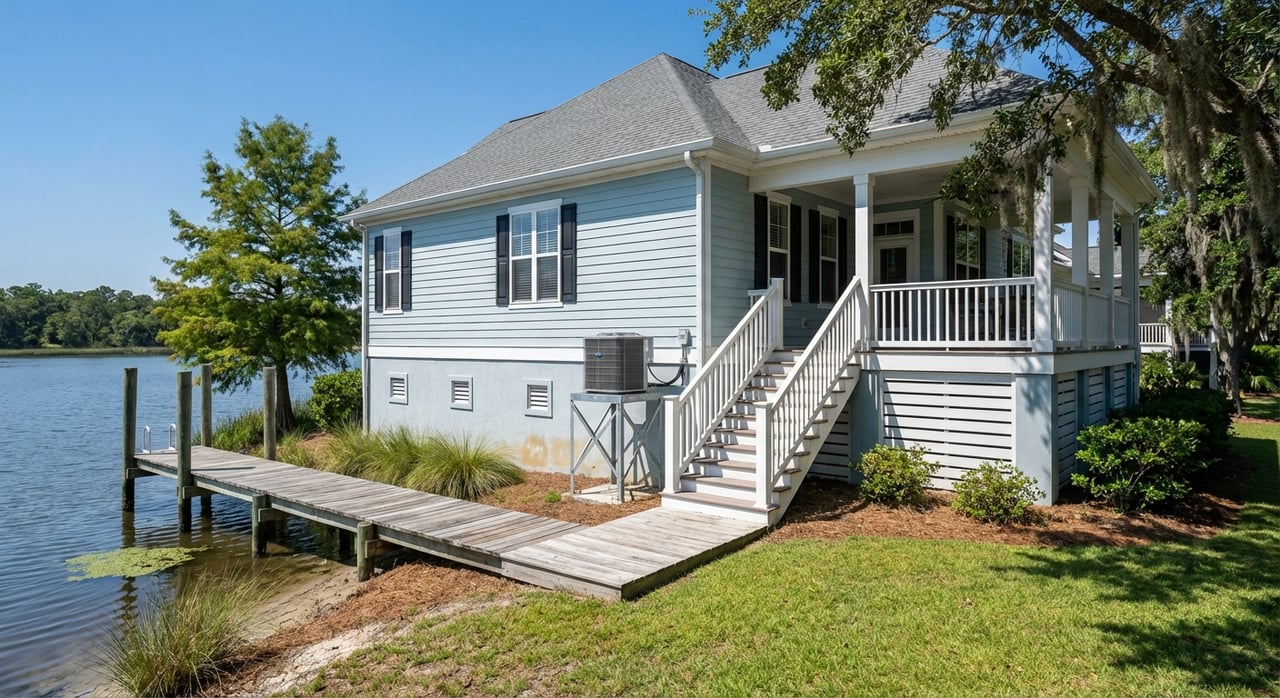
Dreaming of coffee on the Neuse River and dinner steps from brick sidewalks and galleries? If you love the idea of water views and storied streets, Craven County puts both within reach. You want the romance of history, the ease of a walkable core, and the freedom to launch the boat on a sunny Saturday. In this guide, you’ll learn where waterfront and historic homes cluster, what they cost, how boating access works, and what to know about flood and upkeep before you buy. Let’s dive in.
Why Craven County for waterfront and history
Craven County centers on New Bern, where the Neuse and Trent rivers meet. The mix of tidal riverfront, marinas, and a preserved downtown creates a rare lifestyle blend. You can keep a boat nearby, walk to dining and culture, and still retreat to a quiet block at night. The county’s geography and amenities are a big part of the draw.
To get oriented, review the county’s setting and key communities in the Craven County Community Profile. It highlights the river system and the neighborhoods that make waterfront and historic living possible.
Where you’ll find waterfront and historic homes
Historic Downtown New Bern
If you want the strongest “history plus water” feel, focus on the riverfront blocks of downtown. You’re near Tryon Palace, the riverwalk, galleries, and seasonal events. Many streets sit within local historic districts with architecture spanning the late 1700s through the early 1900s.
Riverside and DeGraffenried Park
These established neighborhoods sit just outside the most touristed core. You’ll see early 20th-century homes and tree-lined streets with quick access to downtown. Some streets have older homes that may need renovation, so plan for condition-specific budgets.
River Bend
A planned community oriented to the Trent River and canal-style waterways. Expect golf-cart convenience inside the neighborhood and a car for broader errands. Many homes enjoy water access or views, and buyers often use nearby marinas when a private dock is not available.
Fairfield Harbour
Across the Neuse from downtown New Bern, Fairfield Harbour wraps around creeks and marinas with strong boating access. It suits buyers who want a community feel with deep water nearby. Condo and single-family options can include slip rights or quick access to leased slips.
Havelock and Temple Point corridor
Closer to MCAS Cherry Point, this lower Neuse/Croatan area offers river access and a quieter setting. You will drive for most errands, but boating access is a core amenity. Slip and ramp options vary, so confirm your plan for moorage early.
What “historic” looks like in New Bern
New Bern’s historic districts showcase Georgian, Federal, and Greek Revival styles, plus later Victorian, Colonial Revival, Craftsman bungalows, and American foursquares. Notable local landmarks like Tryon Palace anchor the story of the town’s growth and preservation. If you want a quick sense of that heritage, explore Tryon Palace’s site.
Historic homes range from fully restored showpieces to properties that need careful updates. Expect higher renovation and maintenance costs than a newer suburban home. Period-appropriate finishes, specialty contractors, and local design review for exterior changes add both time and budget. If your target home is in a historic district, review city preservation guidance and factor design approvals into your timeline.
Walkability and daily life
Downtown New Bern is much more walkable than the county on average. Specific addresses in the historic core show high Walk Score values, such as 511 New St with a Walk Score around 79. If you live near the riverfront, you can often walk to restaurants, galleries, and parks. Outside the core, most neighborhoods are car-dependent for errands and dining.
Arts and dining add to the appeal. Tryon Palace events and the Craven Arts Council’s Bank of the Arts help fuel a year-round calendar. Downtown’s riverwalk scene also supports a casual “dock-and-dine” vibe when you pair boating with dinner.
Boating access and marinas
New Bern offers multiple marinas and yacht clubs serving residents and visiting boaters. Use the Visit New Bern marinas directory to compare options like slip sizes, power, and pump-out services. Some condo and riverfront developments include private slips, while many owners lease at nearby facilities.
The Neuse and Trent rivers connect you to Pamlico Sound and the Intracoastal corridor. Before you plan trips, confirm approach depths, bridge clearances, and transient-slip policies directly with your chosen marina. For city-front homes, verify if a private dock or bulkhead is included, and ask about waiting lists for the nearest marina.
What you will pay today
Craven County shows a clear premium for homes that combine history, location, and water. As of early 2026, public market feeds show the following for New Bern:
- Zillow’s typical home value is about 275,995.
- Redfin’s median sale price is roughly 343,500.
- Realtor.com’s median listing is about 349,900, with a substantially higher median in the New Bern Historic District near 549,950.
These figures use different metrics and update frequently, but they illustrate the premium for downtown and historic neighborhoods compared with the broader market. High-end waterfront sites can trade far above single-family medians. A recent example is a 1.33-acre downtown riverfront parcel at 410 E Front St that marketed and sold at multi-million-dollar levels, underscoring the value of scarce waterfront land. See a reference to that site here: 410 E Front St land listing record.
Key drivers of price include direct frontage and dock rights, protected views, proximity to downtown amenities, architectural significance, and condition. If you want restored historic plus river frontage near the riverwalk, expect to pay a premium and to move quickly when the right home surfaces.
Flood, insurance, and what to check first
Buying near tidal rivers means you should check flood risk early. Start by pulling FEMA Flood Insurance Rate Maps for the exact address at the FEMA Flood Map Service Center. If the home is close to a mapped Base Flood Elevation, ask for an elevation certificate and review it with your lender and insurance agent. The Region 2 Coastal FAQ explains how elevation certificates support insurance rating or a Letter of Map Amendment.
Craven County participates in the National Flood Insurance Program’s Community Rating System. In November 2025, the county announced an improved CRS class for unincorporated areas, which can reduce NFIP premiums for affected policyholders. You can read county alerts here: Craven County Civic Alerts, Flood/CRS. Ask whether your target address is inside a municipality or in the unincorporated county to understand which CRS discount applies.
For long-term planning, review NOAA’s Sea Level Rise Viewer to see how storm surge and tidal changes could affect your area over time. The tool is a good neighborhood-level check: NOAA Sea Level Rise Viewer.
Mitigation and cost control for waterfront homes
Flood-resilient updates can lower expected damage and may improve insurability. Common steps include elevating utilities, adding freeboard, using flood-damage-resistant materials on low levels, and considering wet or dry floodproofing where allowed. For a deeper look, see FEMA’s guidance on protecting building utility systems (FEMA P-348 reference). Discuss feasibility with a contractor who understands local permitting.
Maintenance to plan for
Waterfront and historic homes reward you with character and views, but they need proactive care. Build a schedule and budget for the following:
- Bulkheads, seawalls, riprap, and shoreline structures. Inspect for movement and corrosion. Ask for permits and repair records.
- Docks and pilings. Salt exposure can speed rot and metal corrosion. Get a marine contractor’s inspection before closing.
- Exterior materials. Historic windows, trim, and siding need specialist repairs and frequent painting or sealing.
- HVAC and moisture control. Plan for dehumidifiers, proper crawlspace ventilation, and regular servicing to prevent mold.
- Foundations and low levels. Check drainage, sump or ejector pumps, and signs of intrusion after heavy weather.
Permits are often required for shoreline work and private docks. Confirm documentation and approvals during due diligence, and verify any slip rights or marina arrangements in writing.
Quick buyer checklist
Use this list to organize your next steps:
- Confirm the exact flood zone and Base Flood Elevation for the property at the FEMA Map Service Center.
- Request the elevation certificate, prior flood or disaster repairs, and any NFIP claims history from the seller. Review with your lender and insurer. See the Region 2 Coastal FAQ for how ECs are used.
- If waterfront, verify dock or bulkhead ownership, permits, age, and maintenance records. Compare slip options using the Visit New Bern marinas directory.
- Get two flood insurance checks: an NFIP quote and a private-market comparison. Ask how CRS discounts apply based on address using Craven County’s CRS alerts.
- For historic homes, review local historic-district guidelines and timeline impacts before planning exterior changes.
- Hire inspectors experienced with waterfront and older construction. Ask them to evaluate drainage, pumps, salt exposure, and foundation conditions. For mitigation ideas, review FEMA’s P-348 guidance.
Next steps
If you are weighing downtown charm against deeper-water access, or deciding between Fairfield Harbour and a walkable historic block, you do not have to choose blind. A buyer-first plan helps you match your lifestyle to the right shoreline, slip strategy, and due-diligence path. We can help you compare neighborhoods, run program-eligible financing options like NC Home Advantage, and coordinate marina and inspection logistics so you close with confidence.
Have questions about a specific address or dock permit? Reach out to Vicki Lemmond for a buyer-focused game plan, from pre-approval to keys in hand.
FAQs
What parts of Craven County offer both walkability and water views?
- Historic Downtown New Bern near the riverfront gives you the best walk-to-dining convenience with water access nearby, while Riverside and DeGraffenried Park offer close-in options with quick access to the core.
How do I verify flood risk for a New Bern waterfront home?
- Look up the address at the FEMA Flood Map Service Center, then request the elevation certificate and review it with your lender and insurer.
Where can I find slip or marina options if my home has no dock?
- Start with the Visit New Bern marinas directory to compare slip availability, amenities, and contact details; ask about waitlists before you buy.
Are historic homes in New Bern more expensive to maintain?
- Often yes; period materials and design review can add cost and time, so budget for specialist contractors and longer timelines for exterior work.
Do CRS discounts apply across all of Craven County?
- Discounts depend on where the property is located; check Craven County’s CRS alerts and ask whether the address is inside a municipality or in unincorporated areas.
What long-term factors should I consider for a riverfront property?
- Use the NOAA Sea Level Rise Viewer to understand future tidal and surge scenarios, then plan mitigation and maintenance accordingly.